Short answer
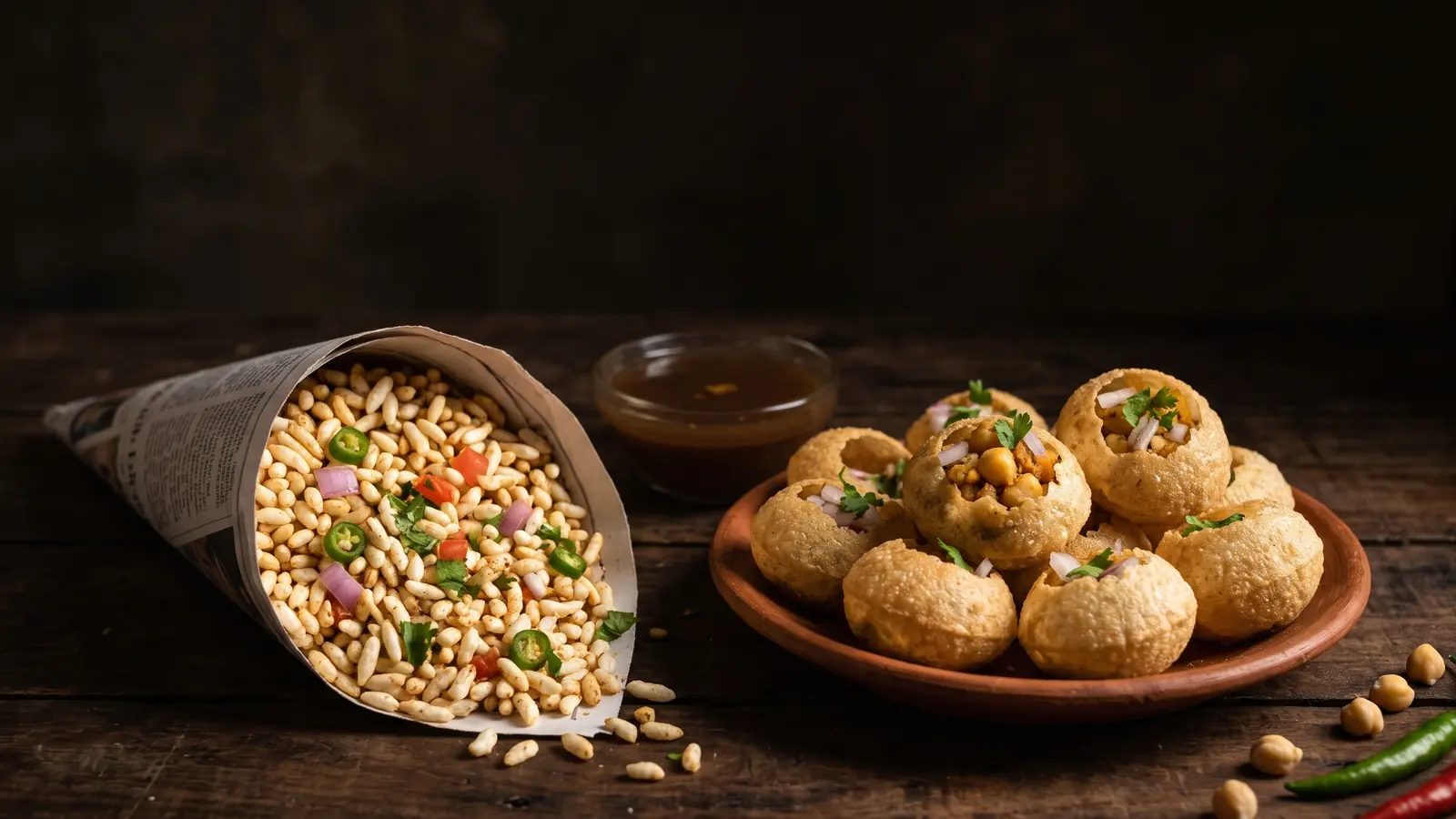
Fuchka is a Bengali street snack of small crisp hollow shells, filled with spiced chickpeas or potato and dipped in sour tamarind water. It is eaten whole in one bite so the water does not spill.
Fuchka is a Bengali street snack of small crisp hollow shells filled with spiced chickpea and potato and dipped in sour tamarind water. The whole shell is eaten in one bite, so the water bursts inside the mouth while the shell is still crunchy.
What is fuchka?
Fuchka is a popular Bengali street snack made of thin, round, hollow fried shells that are filled and then flooded with a spiced, sour liquid. The name is also written phuchka, puchka or fuska.
It is sold on street corners across Bangladesh and in Kolkata, often at dusk, and is most closely associated with Dhaka and Kolkata street culture. Vendors build each serving to order, and the tamarind water is ladled from a pot.
How is fuchka different from pani puri and golgappa?
Fuchka, pani puri and golgappa are regional names for the same family of snack: a hollow crisp shell filled with a mixture and a flavoured water. They differ in the filling, the water and the shell.
| Name | Region | Typical filling | Typical water |
|---|---|---|---|
| Fuchka | Bengal, Bangladesh | Chickpea or yellow pea and potato, sometimes egg | Tamarind water, sour and hot |
| Pani puri | Mumbai, Gujarat, much of India | Potato and chickpea or sprouted lentils | Mint and cumin water |
| Golgappa | Delhi and north India | Potato and chickpea | Spiced mint and tamarind water |
The shells also differ. Bengali fuchka shells are often made with a mix of wheat and semolina and are slightly smaller and crisper than some pani puri shells. All of these claims vary by vendor, so treat them as general patterns.
What goes into fuchka?
Fuchka needs hollow shells, a filling and a flavoured tamarind water. The filling is mashed and seasoned, and the water is the part people argue about.
- Shells: small, round, deep fried, hollow and very crisp.
- Filling: boiled chickpeas or yellow peas and potato, mashed with onion, green chilli, coriander and salt.
- Tamarind water: tamarind pulp thinned with water, with salt, roasted cumin, chilli and sometimes jaggery.
- Toppings: crushed shell, sev, shredded or grated egg, chopped raw onion.
The balance is sour, hot and savoury, with only a little sweetness in most versions. Some vendors serve sweet and spicy waters side by side.
How do you eat fuchka?
Eat each fuchka in one bite. Crack a hole in the top with a finger, spoon in the filling, dip or fill with tamarind water and put the entire shell in your mouth.
- Press a thumb into the top of the shell to make an opening.
- Add a spoon of filling.
- Fill the shell with tamarind water or dip it into the pot.
- Eat it whole straight away. The shell goes soft within seconds.
Fuchka is a stand and eat food, usually served on a leaf plate or small bowl. Do not leave a filled shell sitting, since the water softens it quickly.
How is fuchka made at home?
To make fuchka at home, buy ready made hollow shells, boil and mash the filling, and mix a tamarind water with salt, cumin and chilli. Assemble each shell just before eating.
- Soak tamarind in hot water for 20 minutes, squeeze and strain the pulp.
- Add cold water, salt, roasted cumin, a little chilli and optional jaggery.
- Boil chickpeas and potato, mash roughly and season with onion, chilli, coriander and salt.
- Chill the tamarind water, since it tastes best cold.
- Fill the shells at the table.
Prepare the water and filling ahead, and keep the shells in a dry, airtight container until you serve.
What is the Dhoompan fuchka?
The Dhoompan fuchka is listed on the menu as What the Fuchka, and the recorded description is crisp wheat shells filled with chickpea, potato and coriander, topped with shredded egg and served with tamarind water. The menu notes list it at £8.
Dhoompan is a Bangladeshi street food and tandoor restaurant at 47 Trinity Road, Tooting Bec, London. London Curry Blog also mentions a fuchka style snack with grated egg among the signature dishes. The egg topping is a known Bengali variation. Prices change, so confirm on the menu page or with the restaurant, and check opening times on the hours and location page.
Where does fuchka come from?
The origin of fuchka is not settled. Fuchka, pani puri and golgappa are all described as North Indian or Bengali street foods with no agreed inventor, and the popular origin stories, including one linked to the Mahabharata, are legend rather than documented history.
What is clear is that the snack is widespread across South Asia and its diaspora, with local names, shells and waters in each place. In Bengal, fuchka stalls are a common sight in the evening and are part of the standard idea of street food.
How can you tell a good fuchka?
A good fuchka has a crisp shell that stays crunchy until it reaches the mouth, a well seasoned filling and cold, sharply flavoured water. Freshness matters more than any other point.
- Shell: thin, hollow and shatter crisp, not oily or chewy.
- Filling: seasoned enough to taste after the water goes in.
- Water: cold, sour and hot, with a clean tamarind taste.
- Assembly: made to order, not pre-filled.
Shells that sit in water for more than a few seconds turn soft. At a restaurant, fuchka are often served deconstructed, with shells, filling and water on the side so you assemble each one yourself.
How do you store leftover fuchka shells?
Keep unfilled fuchka shells in a dry airtight container at room temperature, away from steam. Properly stored shells stay crisp for a few weeks, but check the date on a shop bought pack.
If shells go soft, spread them on a tray and warm them in a low oven at about 120 degrees Celsius for ten minutes, then cool them fully before filling. Never store filled shells, and keep the tamarind water and filling in the fridge in separate covered containers.
Is fuchka vegetarian?
Plain fuchka made with shells, chickpeas, potato and tamarind water is vegetarian, but versions topped with egg are not vegan. Ask the vendor or restaurant what goes into the version you are ordering.
Some shells are fried in oil that may also be used for other foods, so anyone with a strict diet should ask how they are cooked. The tamarind water may contain sugar or jaggery, and the filling may be topped with sev made from gram flour. Allergy questions should go directly to the staff.
Common questions
Is fuchka the same as pani puri?
They are close relatives. Pani puri is the name in Mumbai and much of India, golgappa in the north and fuchka in Bengal. Bengali fuchka usually has tamarind water and a tangy chickpea filling and is less sweet.
What is inside a fuchka?
A fuchka is filled with a mash of boiled chickpeas or yellow peas and potato, with onion, chilli, coriander and sometimes grated egg. Tamarind water is poured in just before eating.
How do you eat fuchka without making a mess?
Eat each shell whole in one bite. Break a small hole in the top, fill it, dip or pour in the tamarind water and put the whole thing in your mouth at once.
Why is fuchka so sour?
The water is made from tamarind, which is naturally sour, and is often seasoned with salt, roasted cumin and green chilli. The sourness cuts through the starchy filling.
Can you make fuchka at home?
Most people buy ready made hollow shells, sold in many South Asian shops, and make the filling and tamarind water at home. Making the shells from scratch is possible but needs frying and care.
Everything practical is on the home page: Dhoompan hours, menu and directions.
This article is general information from an independent guide, not from Dhoompan itself. For the store’s current details see hours and location.